## A Design Exploration: The Enduring Allure of the *Astronaut*
This design exploration delves into the multifaceted symbolism and aesthetic appeal of the *astronaut*, a figure that has captivated the human imagination for decades. From the early days of space exploration to contemporary visions of interstellar travel, the *astronaut* embodies a potent blend of technological achievement, human courage, and the boundless possibilities of the cosmos. This analysis will dissect the visual elements, cultural impact, and evolving representation of the *astronaut* across various media and design contexts.
Part 1: The Iconography of the *Astronaut*
The image of the *astronaut* is instantly recognizable globally. It's a powerful icon, laden with meaning and imbued with a sense of wonder. The key visual elements contribute significantly to its enduring appeal:
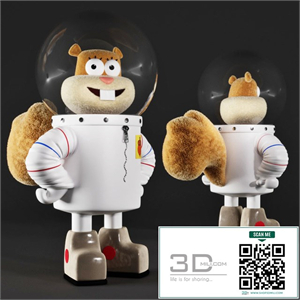
* The Spacesuit: The *astronaut's* *spacesuit* is arguably the most crucial element of its visual identity. It's more than just clothing; it's a technological marvel, a life support system, and a powerful symbol of humanity's ingenuity. Its bulky form, often depicted in white or silver, evokes a sense of protection and isolation, simultaneously highlighting both vulnerability and resilience in the face of the unknown. The *spacesuit's* design – with its helmet, gloves, and various appendages – contributes to a sense of otherworldliness and futuristic sophistication. Different designs of *spacesuits* throughout history, from the bulky Apollo suits to more modern, streamlined versions, each tell a unique story of technological advancement.
* The Helmet: The *astronaut's* *helmet* is particularly crucial. It acts as a barrier between the hostile environment of space and the human face, often obscuring the *astronaut's* identity and lending a sense of anonymity. This anonymity can be interpreted in several ways: it represents a collective human endeavor, transcending individual identities in pursuit of a shared goal; or it can evoke a sense of mystery and awe, making the *astronaut* a somewhat enigmatic figure. The reflection in the *helmet's* visor adds another layer, often mirroring the vastness of space, further emphasizing the scale of the human adventure.
* The Posture and Gesture: The way an *astronaut* is depicted – their posture and gestures – significantly impact the overall message. A *floating astronaut*, seemingly weightless in the vast expanse of space, evokes a sense of freedom and wonder. An *astronaut* planting a flag, on the other hand, conveys a sense of national pride and conquest. An *astronaut* looking out at Earth from a distance can represent a shift in perspective, a humbling view of our planet's fragility and interconnectedness.
Part 2: The *Astronaut* in Popular Culture and Design
The *astronaut* has permeated popular culture across various forms of media:
* Film and Television: From classic sci-fi films like *2001: A Space Odyssey* to contemporary space operas, the *astronaut* consistently plays a pivotal role, often symbolizing heroism, scientific curiosity, and the human spirit's capacity for exploration. The portrayal of the *astronaut* varies widely, ranging from stoic and professional figures to flawed, relatable characters, reflecting changing societal values and perspectives on space exploration.
* Graphic Design and Illustration: The *astronaut* is a frequent motif in graphic design, often used to evoke themes of *adventure*, *exploration*, and *technology*. The *astronaut's* iconic imagery is easily adaptable to various styles, from minimalist designs to complex, detailed illustrations, making it a versatile element in branding and visual communication. *Retro-futuristic* depictions of *astronauts*, inspired by mid-20th-century space race imagery, have enjoyed a particular resurgence in recent years, tapping into a nostalgia for the optimism and wonder associated with early space exploration.
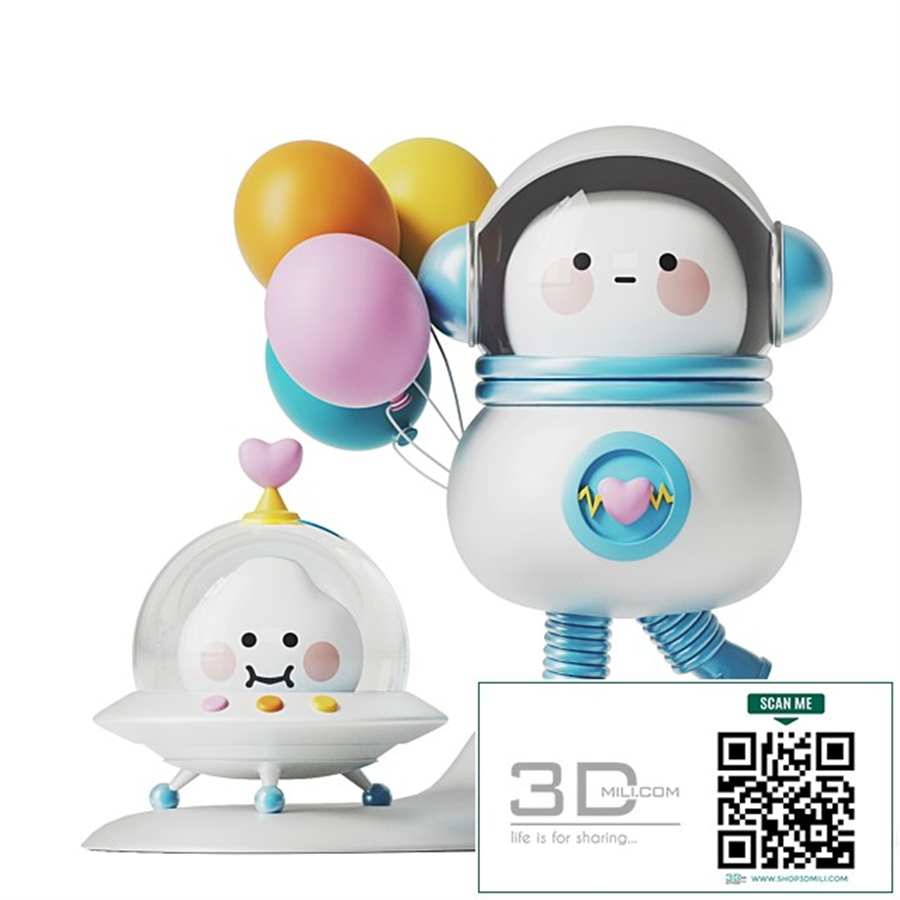
* Product Design: The *astronaut* motif appears on a vast range of consumer products, from clothing and toys to home décor and electronics. This widespread use reflects the enduring appeal of the *astronaut* as a symbol of progress, aspiration, and excitement. The design of these products often leverages the inherent visual appeal of the *spacesuit* and *helmet*, creating a distinctive aesthetic that resonates with a broad audience.
Part 3: Evolving Representations of the *Astronaut*
The representation of the *astronaut* has evolved over time, reflecting changing societal perspectives and technological advancements:
* From National Heroes to Global Citizens: Early depictions of *astronauts* were often associated with national pride and Cold War competition. However, contemporary representations tend to emphasize the collaborative nature of space exploration, highlighting international partnerships and the shared human pursuit of knowledge.
* Increased Diversity and Inclusivity: Historically, the *astronaut* has been overwhelmingly represented as a white male. However, there's a growing movement towards more diverse and inclusive portrayals, recognizing the contributions of women and people of color to the field of space exploration. This reflects a broader societal shift towards greater representation and inclusivity in all areas of life.
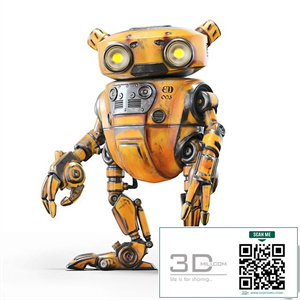
* Beyond the Human *Astronaut*: With advancements in robotics and artificial intelligence, the concept of the *astronaut* is expanding beyond its traditional human form. The rise of robotic explorers and AI-controlled spacecraft introduces new considerations for how we visualize and interpret the *astronaut* archetype.
Part 4: The Future of the *Astronaut* in Design
The *astronaut* will undoubtedly continue to inspire designers and artists for years to come. As space exploration continues to advance, we can expect new and innovative ways to represent the *astronaut*, reflecting the changing realities of space travel and humanity's expanding relationship with the cosmos. Future design explorations might focus on:
* The Integration of Technology: Designs might incorporate interactive elements, augmented reality features, or other technologies to create more immersive and engaging experiences related to the *astronaut* theme.
* Sustainable Space Exploration: As concerns about environmental sustainability grow, designs might explore the *astronaut* within the context of environmentally conscious space travel, emphasizing resource management and minimal impact on celestial bodies.
* The Human-Machine Interface: With the increasing role of technology in space travel, future depictions of *astronauts* might highlight the symbiotic relationship between humans and machines, depicting sophisticated human-computer interfaces and augmented capabilities.
* The Psychological Dimension: Exploring the psychological challenges faced by *astronauts* during long-duration space missions could lead to designs that evoke feelings of isolation, resilience, and the human spirit's capacity to overcome adversity.
In conclusion, the *astronaut* is much more than a simple figure in a spacesuit. It’s a powerful symbol of human ambition, resilience, and our unending fascination with the cosmos. Its enduring appeal stems from the potent combination of technological marvel, human courage, and the boundless possibilities of space exploration. As space travel continues to evolve, so too will the representation and interpretation of this iconic figure, ensuring the *astronaut's* place in our collective imagination for generations to come.