## Morvah: A Deep Dive into Design Philosophy and Execution
Morvah, a name evocative of mystery and potential, embodies a design philosophy that prioritizes _seamless integration_, _intuitive functionality_, and _aesthetic coherence_. This isn't just about creating visually appealing objects; it's about crafting experiences. This document will explore the core tenets of the Morvah design language, delving into its conceptual foundations, its practical application, and its potential future directions.
Part 1: The Genesis of Morvah – Foundational Principles
The *Morvah* design philosophy emerged from a desire to address the growing disconnect between form and function in modern design. Too often, aesthetics overshadow usability, or vice versa, resulting in products and interfaces that feel fragmented and unsatisfying. Morvah aims to bridge this gap, creating designs that are both beautiful and effective. At its heart, the Morvah approach rests on three key pillars:
* _Elegance in Simplicity_: *Morvah* rejects unnecessary complexity. We believe that true elegance lies in streamlining functionalities to their essential core, eliminating superfluous elements that clutter the user experience. This principle translates to clean lines, minimal ornamentation, and a focus on clarity in both visual and interactive design. A *Morvah* design should be intuitive and immediately understandable, requiring minimal learning curve.
* _Harmonious Integration_: A critical aspect of *Morvah* design is the seamless integration of all components. Whether it's a physical product or a digital interface, every element should work in concert with the others, creating a cohesive and synergistic whole. This includes not only visual harmony but also a seamless transition between different functionalities and modes of interaction. Disruptions in flow are actively avoided, prioritizing a fluid and intuitive user journey.
* _Contextual Relevance_: *Morvah* designs are not created in a vacuum. They are deeply informed by their context – the target audience, the intended use case, and the broader cultural landscape. This contextual awareness shapes every design decision, ensuring that the final product is not only aesthetically pleasing but also appropriate and effective within its specific environment. A *Morvah* design understands its user and anticipates their needs.
Part 2: Morvah in Practice – Case Studies and Application
The principles outlined above are not abstract ideals; they are actively employed in the design and development of various projects. Let's examine a few case studies to illustrate the *Morvah* approach in action:
* Case Study 1: The "Aura" Smart Home Hub: The *Aura* smart home hub, a *Morvah* design, exemplifies the principle of *elegant simplicity*. Its sleek, minimalist form factor seamlessly integrates into any home décor. The intuitive interface requires minimal training, allowing users to easily control their smart devices with a few simple gestures. The *harmonious integration* is evident in how the hub interacts smoothly with other smart home technologies, creating a unified and cohesive smart home experience. The *contextual relevance* is demonstrated by its focus on user privacy and data security, addressing a major concern in the smart home market.
* Case Study 2: The "Flow" Mobile Application: The *Flow* mobile application, a *Morvah* design focused on mindfulness and meditation, prioritizes a calm and serene user experience. The *elegant simplicity* is reflected in the app's clean interface, devoid of distracting elements. The *harmonious integration* is achieved through the smooth transition between different meditation sessions and personalized settings. *Contextual relevance* is central to *Flow*'s design, recognizing the user's need for a distraction-free environment that facilitates relaxation and focus.
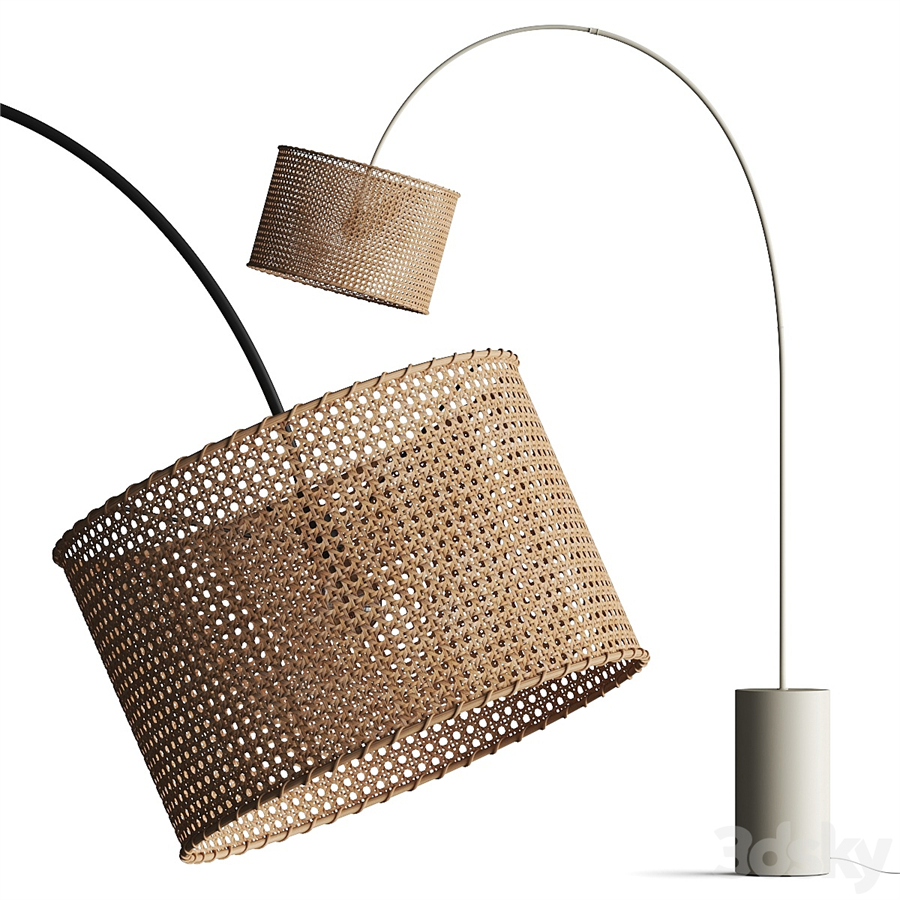
* Case Study 3: The "Veridian" Furniture Collection: The *Veridian* furniture collection, a *Morvah* physical product design, highlights the importance of *harmonious integration* and *contextual relevance*. Each piece is crafted with sustainable materials, reflecting an understanding of environmental concerns. The *elegant simplicity* of the designs allows the furniture to complement diverse interior styles, adapting to different contexts without losing its inherent character. The integrated use of natural materials speaks to a sense of timeless elegance and reflects a conscious design choice.
Part 3: Future Directions of Morvah – Expanding the Horizons
The *Morvah* design philosophy is not static; it is constantly evolving, adapting to the changing technological landscape and the evolving needs of its users. Future directions for *Morvah* include:
* _Increased Focus on Sustainability_: *Morvah* is committed to environmentally responsible design practices. Future projects will incorporate even more sustainable materials and manufacturing processes, minimizing the environmental impact of our work. This includes exploring bio-based materials and circular economy models.
* _Exploration of AI Integration_: Artificial intelligence offers exciting possibilities for enhancing user experience. *Morvah* will investigate how AI can be integrated seamlessly into our designs, improving functionality and personalization without compromising user privacy or control. This will require careful consideration of ethical implications.
* _Expansion into New Domains_: While *Morvah* has already demonstrated its success in smart home technology, mobile applications, and furniture design, we aim to expand our reach into new areas such as healthcare, education, and public spaces. This expansion will require adapting the core principles of *Morvah* to the unique challenges and opportunities presented by each new domain.
Part 4: The Morvah Legacy – A Design for the Future
The *Morvah* design philosophy represents more than just a set of aesthetic guidelines; it's a commitment to creating designs that are both beautiful and beneficial. By prioritizing *elegant simplicity*, *harmonious integration*, and *contextual relevance*, *Morvah* strives to create products and experiences that enrich people's lives and contribute to a more sustainable and equitable future. The legacy of *Morvah* will be one of thoughtful design, user-centricity, and a commitment to lasting value. It is a design language that actively listens to its users and responds to the ever-evolving needs of the world, ensuring that its creations remain both relevant and timeless. The ongoing exploration and development of *Morvah* principles will continue to shape a design language committed to intuitive experience, lasting quality and genuine positive impact on users and their environment. The *Morvah* design ethos is not merely an aesthetic choice but a commitment to responsible innovation.