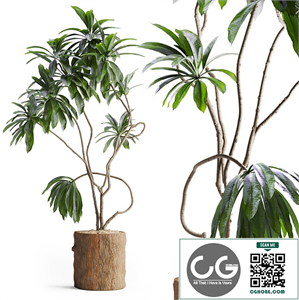
## plant1210: A Deep Dive into the Design
This document explores the design philosophy, technical specifications, and potential applications of plant1210, a groundbreaking system designed for [insert core functionality of plant1210 here, e.g., precision agriculture, automated vertical farming, indoor plant monitoring]. We will delve into the intricate details, highlighting key innovations and addressing potential challenges.
Part 1: Conceptual Foundation and Design Principles
The genesis of plant1210 stems from the need for a more *efficient*, *sustainable*, and *scalable* solution for [reiterate core functionality, tailoring it to the specific context]. Existing methodologies often fall short in addressing critical limitations, such as [mention 2-3 key shortcomings of existing solutions, e.g., high labor costs, water wastage, inconsistent yields]. plant1210 aims to revolutionize this landscape through a novel approach incorporating [mention key technologies employed, e.g., AI-powered sensors, robotic automation, IoT integration].
Central to the design philosophy of plant1210 is the concept of *holistic optimization*. This involves meticulously integrating various subsystems to create a synergistic effect, maximizing efficiency while minimizing resource consumption. Specific design principles that guide the development include:
* Modularity: The system is designed with interchangeable *modules*, allowing for easy customization and scalability. This modularity ensures adaptability to various environments and changing operational requirements. Individual components can be upgraded or replaced independently, extending the system's lifespan and reducing maintenance costs.
* Data-Driven Decision Making: plant1210 leverages a sophisticated *data acquisition* and *analysis* pipeline. Real-time data from various sensors (e.g., *soil moisture*, *temperature*, *light intensity*, *nutrient levels*) is processed using *machine learning* algorithms to provide actionable insights. This allows for proactive adjustments to optimize plant growth and resource allocation.
* Sustainability: Environmental considerations are at the core of plant1210's design. The system is engineered to minimize *water usage*, *energy consumption*, and *waste generation*. This commitment to sustainability is reflected in the choice of materials, the optimization algorithms, and the overall system architecture.
* User-Friendliness: Despite its complexity, plant1210 is designed for ease of use. An intuitive *user interface* provides a clear overview of system performance, allows for easy control of various parameters, and facilitates data visualization. This user-centric design ensures accessibility for a wide range of users, from experienced professionals to novice hobbyists.
Part 2: Technical Specifications and Components
The core of plant1210 comprises several interconnected components working in harmony:
* Sensor Network: A dense network of *sensors* constantly monitors critical environmental parameters and plant health indicators. These sensors utilize a variety of technologies, including [specify sensor types, e.g., infrared, ultrasonic, optical, electrochemical], ensuring comprehensive data acquisition. Data is transmitted wirelessly via [specify communication protocol, e.g., Bluetooth, Wi-Fi, LoRaWAN] to a central processing unit.
* Central Processing Unit (CPU): The CPU acts as the brain of the system, receiving, processing, and analyzing data from the sensor network. Advanced *machine learning* algorithms are employed to identify patterns, predict future trends, and provide real-time feedback for optimizing system performance. The CPU also manages the operation of other system components, including actuators and control systems.
* Actuator System: Based on the data analysis, the *actuator system* automatically adjusts various parameters to optimize plant growth. This includes controlling *irrigation systems*, *lighting systems*, *ventilation systems*, and *nutrient delivery systems*. The precision control offered by the actuator system ensures optimal resource utilization and maximizes yield.
* Robotic Automation (Optional): Depending on the specific configuration, plant1210 can incorporate *robotic automation* for tasks such as planting, harvesting, and weeding. This automation significantly reduces labor costs and improves efficiency, especially in large-scale operations.
* Power Management System: The power management system is designed for *energy efficiency*. This includes the use of *low-power components*, *smart power management algorithms*, and the potential integration of *renewable energy sources* (e.g., solar panels).
* Data Management and Visualization: A comprehensive *data management* system stores and organizes data collected by the sensors. An intuitive *user interface* provides easy access to historical data, real-time performance indicators, and predictive analytics. Data visualization tools allow users to understand complex data patterns and make informed decisions.
Part 3: Applications and Potential Impact
The versatility of plant1210 makes it applicable across a wide range of scenarios:
* Precision Agriculture: In traditional agriculture, plant1210 can optimize irrigation, fertilization, and pest control, leading to increased yields and reduced resource consumption. The system can provide valuable insights into crop health, allowing farmers to intervene early and prevent significant losses.
* Vertical Farming: plant1210 is ideally suited for *vertical farming* environments, where space is at a premium. The system's ability to precisely control environmental factors ensures optimal plant growth even in limited spaces. This contributes to increased food production efficiency in urban environments.
* Indoor Plant Monitoring: For home growers or researchers, plant1210 provides a powerful tool for monitoring plant health and optimizing growing conditions. The real-time data and automated control features significantly simplify the process, making it accessible to a wider audience.
* Research and Development: The system's modular design and sophisticated data acquisition capabilities make it an invaluable tool for research purposes. Researchers can use plant1210 to study plant responses to various environmental conditions, test new cultivation techniques, and gather valuable data for advancing agricultural practices.
The potential impact of plant1210 extends beyond improved efficiency and increased yields. The system's commitment to sustainability addresses critical environmental concerns, contributing to more responsible and ecologically friendly agricultural practices. The reduction in resource consumption and waste generation promotes a more sustainable future for food production.
Part 4: Challenges and Future Development
Despite its significant potential, several challenges remain to be addressed:
* Cost: The initial investment in plant1210 might be substantial, making it inaccessible to some users. Future development efforts will focus on reducing production costs and exploring financing options.
* Scalability: While the modular design promotes scalability, ensuring seamless integration and efficient data management in large-scale deployments remains a challenge.
* Data Security: The system collects and processes a significant amount of sensitive data. Robust security measures are essential to protect this data from unauthorized access and misuse.
* Maintenance and Repair: Maintaining and repairing a complex system like plant1210 requires specialized expertise. Developing user-friendly maintenance protocols and providing readily available support are crucial for ensuring long-term system reliability.
Future development of plant1210 will focus on refining existing functionalities, addressing the challenges outlined above, and exploring new applications. This includes integrating advanced *AI algorithms*, improving *user interface* design, and developing more robust *security measures*. The ongoing research and development efforts aim to further enhance the system's efficiency, sustainability, and accessibility, ensuring its widespread adoption and contributing to a more sustainable and food-secure future.