## The Still Life: Olive Stems in a Zara Glass Vase
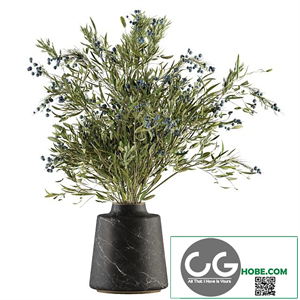
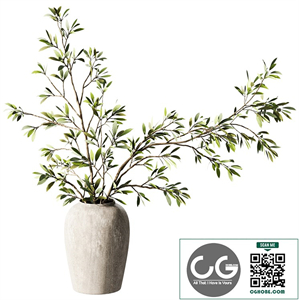
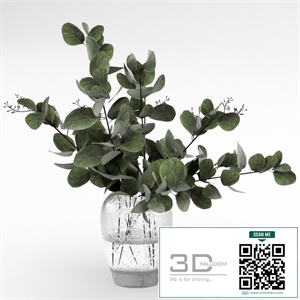
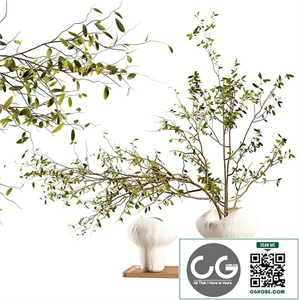
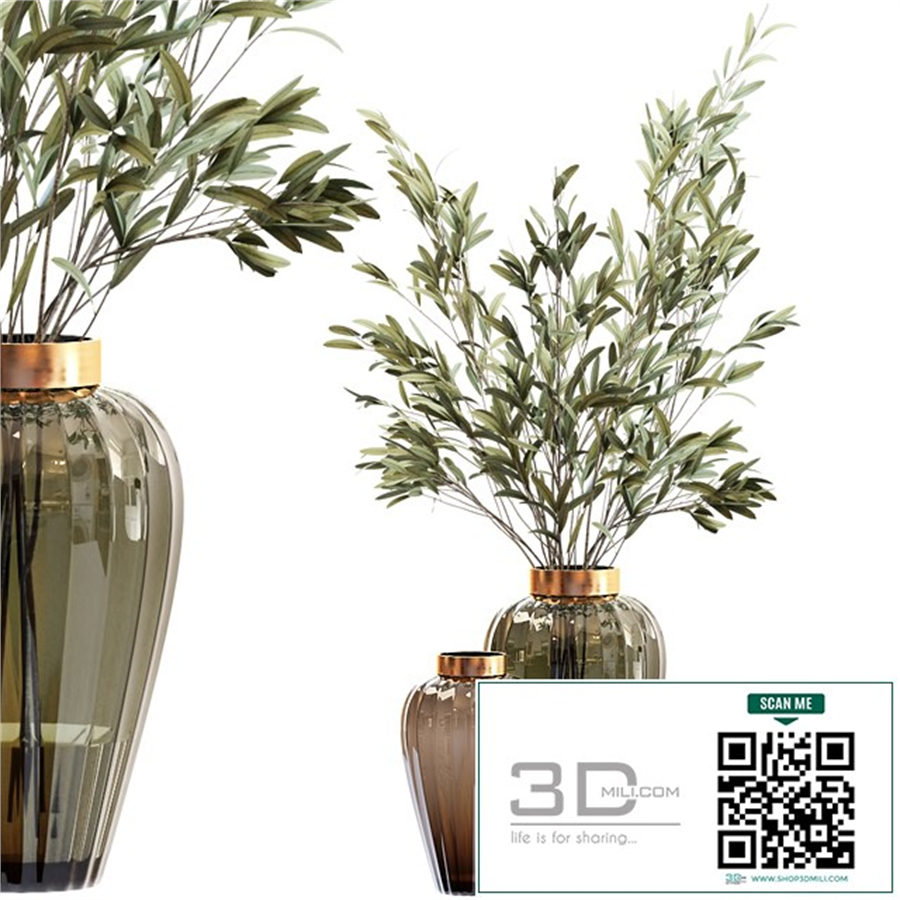
This essay explores the seemingly simple, yet surprisingly complex, visual narrative presented by the still life: *olive stems* in a *Zara glass vase* filled with *water*. While the composition may appear minimalistic, a closer examination reveals a wealth of aesthetic and symbolic possibilities, offering fertile ground for artistic analysis and personal interpretation. We will dissect the individual elements – the olive stems, the Zara vase, and the water – before examining their interplay and the overall effect they create.
Part 1: The Olive Stems – Symbols of Resilience and Peace
The *olive stem*, far from being a mere botanical specimen, carries significant cultural and symbolic weight. Across numerous civilizations, the olive branch has been a potent symbol of *peace*, *victory*, and *prosperity*. In Greek mythology, the olive tree was sacred to Athena, the goddess of wisdom and warfare, highlighting the plant's association with both intellectual pursuit and strategic triumph. The dove returning with an olive branch in the biblical story of Noah's Ark further cemented this symbolic connection to peace and the promise of a new beginning.
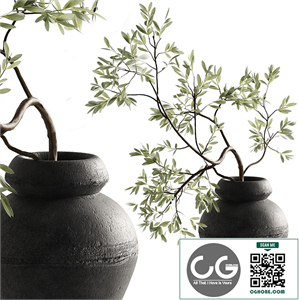
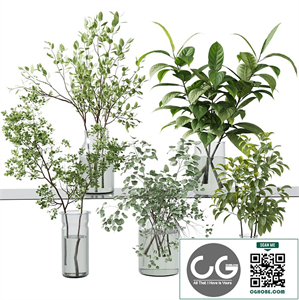
The *choice of olive stems*, rather than the full branch or leaves, is a deliberate artistic decision. The stems, often gnarled and showing signs of age, subtly suggest a narrative of *endurance* and *resilience*. They speak of a life cycle lived, of the strength required to survive and persist. The absence of leaves focuses attention on the stems' form and texture, inviting the viewer to consider their inherent beauty, stripped bare of exuberant foliage. The subtle variations in color – perhaps muted greens, browns, or even silvery grays – contribute to the overall aesthetic, adding complexity and depth. The seemingly *fragile* nature of the stems, however, also hints at *vulnerability*, a counterpoint to their resilience. This delicate balance between strength and fragility underscores the nuanced nature of the still life.
Part 2: The Zara Glass Vase – Modernity and Transparency
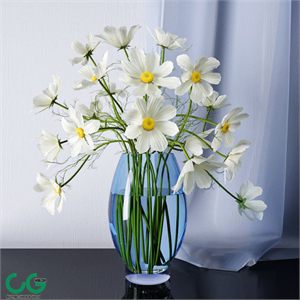
The *Zara glass vase* acts as a crucial intermediary element, framing and presenting the olive stems. Zara, as a brand, is immediately recognizable, carrying connotations of *modernity*, *accessibility*, and *mass-produced aesthetics*. The use of a Zara vase therefore introduces a layer of contemporary context. The choice of glass, as opposed to ceramic or metal, contributes to the overall feeling of *transparency* and *simplicity*. Glass allows the viewer to see directly through the vase, highlighting the water and the stems without any visual obstruction. This transparency is crucial, as it allows the viewer's gaze to flow effortlessly from the stems to the water and back again, creating a seamless visual connection between the elements.
The shape and size of the Zara vase are important factors to consider. A simple, cylindrical vase might emphasize the linear quality of the olive stems, while a more ornate design could introduce a contrasting visual element. The *dimensions* of the vase in relation to the number and length of the olive stems carefully orchestrate the composition. An overly large vase could dwarf the stems, reducing their visual impact; a too-small vase might overcrowd them, disrupting the overall balance. The subtly of this design choice speaks volumes about the intention behind this carefully curated scene.
Part 3: The Water – Life, Reflection, and Transience
The *water* in the vase is not merely a functional element to keep the stems alive; it plays a critical aesthetic and symbolic role. The water's *transparency* mirrors that of the glass vase, further emphasizing the clear, uncluttered visual presentation. The water's surface acts as a reflective plane, potentially capturing the ambient light or even reflecting the surrounding environment, adding an element of *context* and *depth* to the image. The ripples or stillness of the water can drastically alter the scene's mood. Calm water suggests *serenity*, while gently disturbed water hints at a sense of *transience* and the continuous flow of time.
The water's interaction with the olive stems is key. The way the stems absorb water, their slightly wilted appearance or pristine freshness, all contribute to the overall narrative. The water subtly highlights the *texture* of the stems, emphasizing the contrast between the smooth glass and the slightly rougher, more organic material of the olive branches. The water's role as a life-giving element reinforces the symbolic connection to growth, renewal, and the cyclical nature of life, implicitly contrasting with the already-severed olive stems.
Part 4: The Interplay of Elements and Overall Effect
The overall effect of this still life depends on the careful interplay of the olive stems, the Zara vase, and the water. The *minimalist aesthetic* – often associated with modern and contemporary art – allows the viewer to focus on the individual elements and their relationship to one another. The deliberate simplicity avoids overwhelming the viewer with excessive detail, encouraging thoughtful contemplation. The *composition*, the arrangement of the stems within the vase, is a crucial aspect of this interplay. A carefully planned arrangement might create a sense of balance, harmony, or even tension, depending on the artist's intentions.
The *lighting* also plays a significant role. Natural light might highlight the textures and colors, while artificial light could create a different mood and atmosphere. The *background*—the surface on which the vase rests—adds another subtle layer of meaning, influencing how the composition is perceived and the narrative suggested. A simple, neutral background would allow the still life to dominate the visual space, while a more complex background could introduce another element to the overall composition, potentially enriching the visual dialogue or creating a jarring counterpoint.
This seemingly simple composition of *olive stems* in a *Zara glass vase* with *water* offers a rich tapestry of meaning and aesthetic considerations. Its minimalism is deceiving; it invites the viewer to engage actively with the artwork, fostering individual interpretation and allowing the subtle nuances to resonate on a personal level. The careful selection of everyday objects transforms the ordinary into the extraordinary, a testament to the power of attentive observation and artistic vision. The enduring symbolism of the olive stems, the modern context provided by the Zara vase, and the life-giving presence of the water combine to create a compelling and thought-provoking still life. The visual harmony and inherent tension contained within this minimalist arrangement create a piece worthy of careful scrutiny and sustained contemplation.