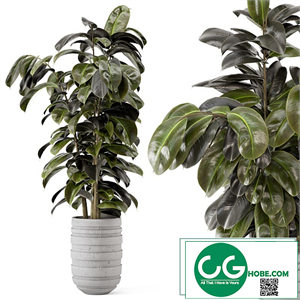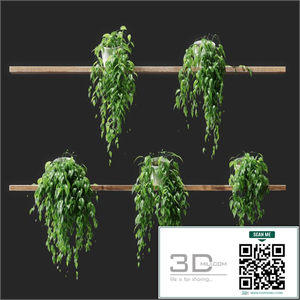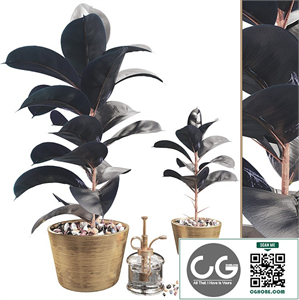
## Plants Collection 31: An Introduction
Plants Collection 31 represents a significant leap forward in our ongoing exploration of the diverse and captivating world of botany. This collection, meticulously curated and painstakingly documented, focuses on a specific, yet broadly impactful, segment of the plant kingdom: *adaptive strategies in challenging environments*. We delve into the remarkable resilience and ingenuity of plants thriving in conditions that would prove lethal to most other species. This isn't simply a catalog of beautiful specimens; it's a narrative of survival, innovation, and the breathtaking power of nature's adaptation.
### Part 1: The Guiding Principle: *Adaptation and Resilience*
The core theme driving Plants Collection 31 is the exploration of *adaptive mechanisms* in plants. We've selected species that showcase remarkable strategies for coping with stressors such as *extreme temperatures*, *water scarcity*, *nutrient-poor soils*, *high salinity*, and *intense sunlight*. These *environmental pressures* act as powerful selective forces, shaping the evolution of unique morphological, physiological, and biochemical traits. Understanding these adaptations is not only crucial for appreciating the beauty and complexity of the plant world but also holds immense value for fields like *agriculture*, *conservation*, and even *biomimicry*.
We move beyond a simple descriptive approach. Each plant profile within Plants Collection 31 provides detailed insights into *the specific challenges faced* by the species, *the adaptive strategies employed*, and *the underlying mechanisms* facilitating survival. This integrated approach allows for a richer understanding of the interplay between organism and environment, revealing the intricate dance between survival and evolution. The collection is not limited to visual representations; we've incorporated detailed *microscopic imagery*, *physiological data*, and *genetic analyses* to provide a holistic perspective on plant adaptation. This multi-faceted approach serves to illuminate the often-invisible mechanisms that underpin the spectacular resilience of these plants.
### Part 2: A Glimpse into the Collection: *Species Highlights*
Plants Collection 31 features a diverse array of species, each a testament to nature's ingenuity. While we avoid a comprehensive list here (to maintain the intrigue!), we'll highlight a few exemplary specimens to illustrate the collection's scope and depth:
* _Welwitschia mirabilis_: This *ancient gymnosperm*, found in the Namib Desert, embodies *extreme drought tolerance*. Its incredibly long lifespan and ability to survive on minimal rainfall are a result of specialized *leaf structure*, *deep root systems*, and highly efficient *water-use strategies*. We detail the unique photosynthetic pathways and water storage mechanisms that allow it to thrive in one of the most arid environments on Earth.
* _Halophytic Mangroves_: This group of *salt-tolerant plants* populates coastal intertidal zones, facing the constant challenge of *high salinity* and *variable water levels*. Their *specialized root systems*, including *pneumatophores* (air roots) and *salt glands*, are explored in detail, highlighting the sophisticated mechanisms used to exclude or excrete excess salt. We also examine the ecological significance of these plants as crucial *coastal ecosystems*.
* _High-Altitude Alpine Plants_: This section examines plants adapted to *extreme cold*, *high UV radiation*, and *short growing seasons*. The adaptations featured include *dwarfism*, *dense pubescence* (hairy leaves), and *specialized pigments* that protect against UV damage. We investigate the physiological changes that allow these plants to survive freezing temperatures and rapidly complete their life cycles during brief periods of favorable conditions.
### Part 3: Beyond the Individual Species: *Ecosystemic Connections*
Plants Collection 31 goes beyond simply cataloging individual species; it emphasizes the *interconnectedness* of these plants within their respective ecosystems. The adaptive strategies of individual plants are often intertwined with the characteristics of the wider environment, shaping community structure and ecosystem function. We explore the *synergistic relationships* between plants, animals, and microorganisms, illustrating how adaptation operates not only at the individual level but also across entire communities.
For example, the *soil microbial communities* associated with many of these plants play a crucial role in nutrient acquisition, especially in nutrient-poor environments. We investigate the *symbiotic relationships* that enhance nutrient uptake and drought tolerance, showcasing the complex interplay between plants and their microbial partners. Similarly, the role of these plants in maintaining *soil stability*, *water cycling*, and *carbon sequestration* is explored, highlighting their importance for broader ecosystem health and resilience.
The *conservation implications* of understanding plant adaptation are also discussed. Many of the species featured in Plants Collection 31 are vulnerable to habitat loss and climate change. By understanding their unique adaptations and the environmental pressures they face, we can develop more effective *conservation strategies* to protect these remarkable organisms and the ecosystems they support.
### Part 4: Applications and Future Directions: *Biomimicry and Innovation*
The knowledge gained through the meticulous study of plants in challenging environments offers considerable potential for *biomimicry* and *innovation*. The *design principles* underlying plant adaptations can inspire novel solutions to a wide range of human challenges. For instance, the *water-harvesting mechanisms* of desert plants could inspire the development of more efficient irrigation systems. Similarly, the *salt tolerance* of halophytes could inform the development of drought-resistant crops.
Plants Collection 31 dedicates a section to the *potential applications* of the knowledge presented. We explore the ongoing research into utilizing *plant-based materials* for sustainable construction, the development of *drought-resistant crops* using genetic engineering, and the adaptation of *plant-inspired designs* for architecture and engineering. This forward-looking perspective underscores the practical relevance of studying plant adaptation, demonstrating its value beyond basic scientific understanding.
We conclude by looking towards *future research directions*. The ongoing advancements in genomics, proteomics, and metabolomics offer new opportunities for uncovering the intricate mechanisms underlying plant adaptation. The collection serves as a foundation for future studies, highlighting areas where further research is needed to unlock the full potential of these remarkable organisms and harness their adaptive strategies for human benefit. Plants Collection 31 is not an endpoint; it is a starting point for continued exploration and discovery.