## The Woman Bather Bust: A Multifaceted Exploration
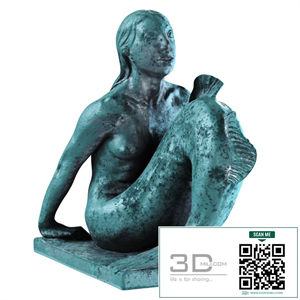
This essay delves into the artistic, cultural, and historical significance of the _Woman Bather Bust_, a recurring motif in art history that transcends simple representation to embody complex themes of *femininity*, *modernity*, *the body*, and *the gaze*. We will examine the evolution of this subject across various periods and styles, analyzing the choices made by artists and the resulting impact on the viewer's interpretation. From classical ideals to modernist reinterpretations, the _Woman Bather Bust_ offers a fascinating lens through which to explore the ever-shifting relationship between art, the artist, and society.
### Part 1: Classical Echoes and the Birth of a Theme
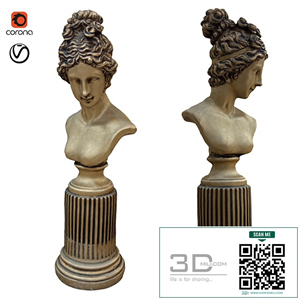
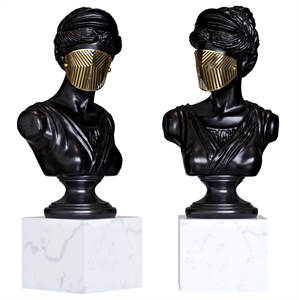
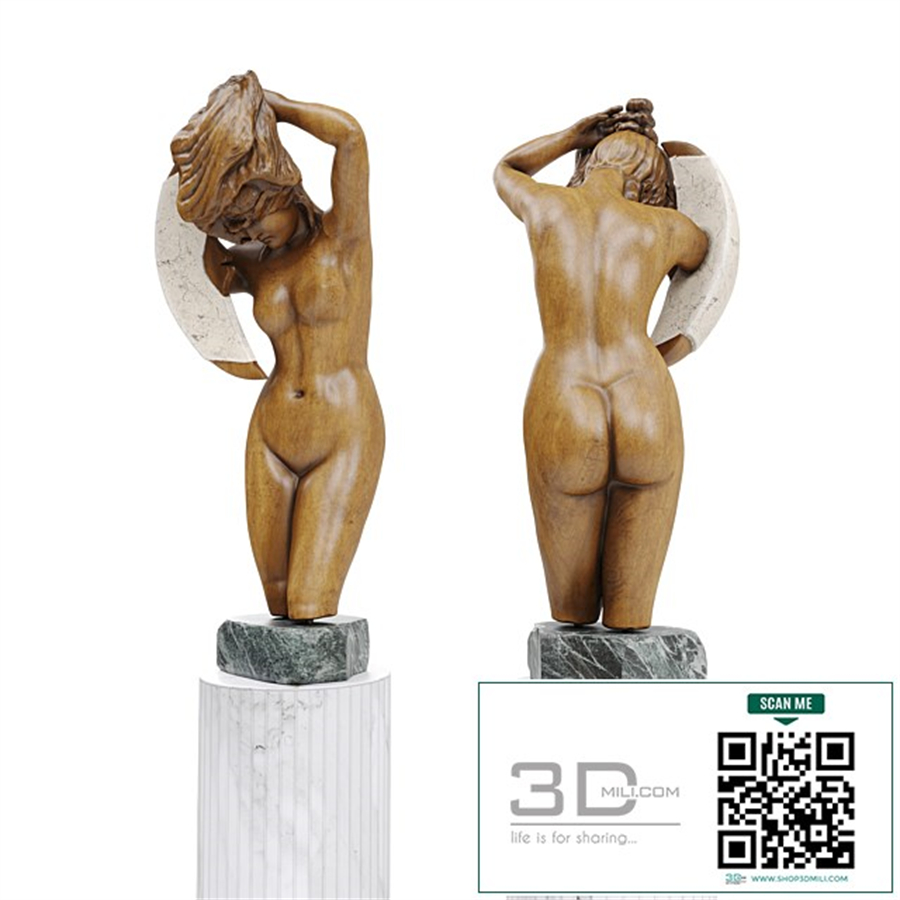
The depiction of the female nude in art has a long and storied history, dating back to ancient Greece and Rome. Classical sculptures, often idealized representations of *female beauty* and *divine attributes*, laid the groundwork for subsequent artistic interpretations of the _Woman Bather Bust_. Think of the countless representations of goddesses like *Venus* or *Diana*, their forms meticulously crafted to embody a sense of effortless grace and perfection. These sculptures, while not explicitly "bathers," establish a tradition of depicting the female form in states of undress, often associated with purity, fertility, or spiritual transcendence. The _Woman Bather Bust_, even in its later iterations, carries echoes of this classical heritage, particularly in the emphasis on form and the suggestion of an idealized, almost unattainable, female physique. The choice of the _bust_ format itself – focusing on the upper body, emphasizing the neck, shoulders, and face – is a deliberate one, highlighting specific features deemed aesthetically pleasing and culturally significant. The *classical* influence extends beyond mere pose and form; it touches on the very *idealization* of the female form, a theme that continues to resonate in later interpretations of the _Woman Bather Bust_.
### Part 2: The Impressionist Gaze and the Embodiment of Light
The arrival of *Impressionism* in the late 19th century brought about a radical shift in the depiction of the _Woman Bather Bust_. Artists like *Pierre-Auguste Renoir* and *Edgar Degas*, while still working within the tradition of the female nude, infused their work with a new sensibility, capturing the ephemeral quality of light and movement. The _Woman Bather Bust_, in their hands, becomes less an idealized representation of beauty and more a study of light playing across the skin, highlighting the textures and curves of the body. The *Impressionistic* style, with its focus on *fleeting moments* and the *subjectivity of perception*, alters the viewer's engagement with the subject. We are no longer simply observing a representation of beauty but are actively participating in the visual experience, sensing the light, air, and implied movement around the figure. The *loose brushstrokes* and the emphasis on *light and shadow* create a sense of intimacy and immediacy, drawing the viewer into the scene. This departure from *classical* idealization marks a crucial moment in the evolution of the _Woman Bather Bust_, hinting at a more subjective and psychologically-charged representation of the female form.
### Part 3: Modernism and the Subversion of the Gaze
The 20th century witnessed a profound transformation in the understanding and representation of the female nude. Modernist artists challenged traditional notions of *beauty* and *idealization*, exploring the psychological and emotional dimensions of the female experience. Artists like *Pablo Picasso* and *Henri Matisse*, with their radically different approaches to form and perspective, reshaped the _Woman Bather Bust_ into something new and often provocative. Picasso's cubist works, for instance, fractured the female form, fragmenting and reconstructing it to emphasize the subjective nature of perception and to question the very act of representation. The _bust_ itself becomes a site of deconstruction, a means of exploring the internal and external realities of the female form in a non-traditional manner. Matisse, with his vibrant colors and fluid lines, explored the emotional and sensual qualities of the female body, but often in a way that eschews the traditional male *gaze*, allowing the figure a greater degree of autonomy and agency. These *modernist* interpretations of the _Woman Bather Bust_ represent a significant departure from earlier traditions. The *female body* is no longer merely an object of *aesthetic contemplation* but a complex entity deserving of a more nuanced and psychologically informed representation.
### Part 4: Beyond the Gaze: Agency and Identity
The contemporary interpretation of the _Woman Bather Bust_ continues to evolve, reflecting changing societal attitudes toward *femininity*, *body image*, and *female identity*. Contemporary artists are increasingly conscious of the historical baggage associated with the female nude, particularly its connection to the *male gaze* and its role in perpetuating stereotypical representations of women. Many contemporary works featuring the _Woman Bather Bust_ aim to reclaim the female body, portraying it as a source of power, autonomy, and self-expression. By challenging traditional conventions of *beauty* and *idealization*, these artists empower their subjects, shifting the focus from passive objectification to active self-representation. The *gaze* is no longer solely that of the observer, but is shared, or even subverted, by the figure herself. The _Woman Bather Bust_, therefore, becomes a powerful tool for exploring themes of *female empowerment*, *body positivity*, and *self-acceptance*, demonstrating the ever-evolving relationship between art and society. The continuing exploration of the _Woman Bather Bust_ demonstrates the enduring power of this artistic motif to engage with contemporary issues and provide fresh perspectives on the complex subject of the human form and its societal representation.
### Conclusion: An Enduring Legacy
From the idealized forms of classical sculpture to the psychologically charged representations of modern and contemporary art, the _Woman Bather Bust_ has undergone a remarkable transformation. Its evolution reflects not only the changing styles and techniques of artistic expression but also the evolving understanding of *femininity*, *the body*, and *the gaze*. The _bust_ format, with its concentrated focus on the upper body, has provided a canvas for artists to explore the nuances of human emotion, challenging established norms and pushing the boundaries of artistic expression. Its enduring presence in art history underscores its significance as a powerful symbol, capable of carrying complex meaning and prompting ongoing dialogue about the relationship between art, the artist, and society. The study of the _Woman Bather Bust_ across different periods and styles offers a compelling glimpse into the ever-shifting landscape of artistic representation and its reflection of the human condition.